



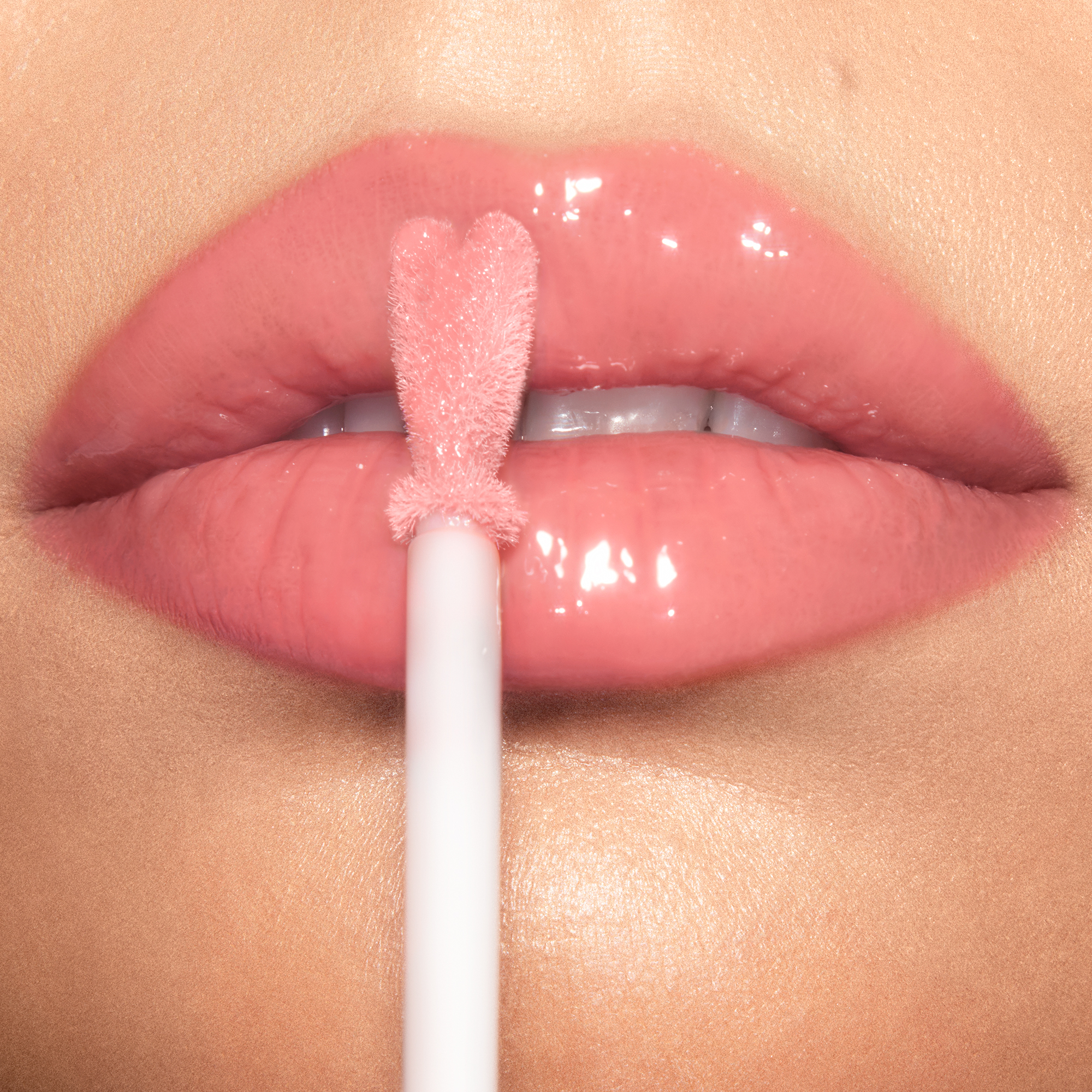
What Is Lip Gloss Made Of? Lip gloss, a staple in makeup bags worldwide, is prized for its ability to add shine, color, and moisture to lips. But have you ever wondered what gives lip gloss its signature glossy finish and smooth application? Let’s break down the common ingredients that make up this beauty essential.
The Core Ingredients of Lip Gloss:
- Oils: Oils are key to achieving the smooth texture and shiny effect of lip gloss. Common oils include castor oil, mineral oil, and natural alternatives like jojoba or coconut oil. These oils not only create the gloss but also help moisturize the lips.
- Waxes: Waxes, such as beeswax, carnauba wax, or candelilla wax, are added to give the product structure and help it stay on your lips. They provide a slight thickness to the gloss, ensuring it doesn’t feel too runny.
- Polymers: These synthetic compounds enhance the staying power of lip gloss, giving it a non-sticky finish. They ensure that the gloss adheres well to the lips without frequent reapplication.
- Pigments and Dyes: To add color, lip glosses contain various pigments and dyes. These can range from natural minerals like mica to synthetic colorants that create bold or sheer finishes.
- Moisturizers and Emollients: Ingredients like shea butter, lanolin, or vitamin E are included to keep lips soft and hydrated.
- Fragrances and Flavors: Many lip glosses feature added scents or flavors, such as vanilla, mint, or fruit extracts, to enhance the user’s experience.
Optional Additives:
- Shimmer and Glitter: Mica and finely milled glitter provide a sparkly or metallic finish.
- Preservatives: These prevent bacterial growth, ensuring the gloss remains safe for use over time.
What Is Lip Gloss Made Of?
Lip gloss, a staple in makeup bags worldwide, is prized for its ability to add shine, color, and moisture to lips. But have you ever wondered what gives lip gloss its signature glossy finish and smooth application? Let’s break down the common ingredients that make up this beauty essential.
The Core Ingredients of Lip Gloss:
- Oils: Oils are key to achieving the smooth texture and shiny effect of lip gloss. Common oils include castor oil, mineral oil, and natural alternatives like jojoba or coconut oil. These oils not only create the gloss but also help moisturize the lips.
- Waxes: Waxes, such as beeswax, carnauba wax, or candelilla wax, are added to give the product structure and help it stay on your lips. They provide a slight thickness to the gloss, ensuring it doesn’t feel too runny.
- Polymers: These synthetic compounds enhance the staying power of lip gloss, giving it a non-sticky finish. They ensure that the gloss adheres well to the lips without frequent reapplication.
- Pigments and Dyes: To add color, lip glosses contain various pigments and dyes. These can range from natural minerals like mica to synthetic colorants that create bold or sheer finishes.
- Moisturizers and Emollients: Ingredients like shea butter, lanolin, or vitamin E are included to keep lips soft and hydrated.
- Fragrances and Flavors: Many lip glosses feature added scents or flavors, such as vanilla, mint, or fruit extracts, to enhance the user’s experience.
Optional Additives:
- Shimmer and Glitter: Mica and finely milled glitter provide a sparkly or metallic finish.
- Preservatives: These prevent bacterial growth, ensuring the gloss remains safe for use over time.
Lip gloss is a blend of functional and aesthetic ingredients, offering both beauty and care. Understanding its composition allows you to choose products that align with your preferences, whether you prioritize natural ingredients, long-lasting formulas, or sheer, glossy finishes.
Private Label Lip Gloss: Building Your Unique Beauty Brand
Private label lip gloss offers an incredible opportunity to create a customized beauty line that reflects your unique vision. With the flexibility to select specific formulations, colors, and packaging, private labeling empowers entrepreneurs to launch high-quality products without the complexities of manufacturing. Here’s why private label lip gloss is a game-changer:
Why Choose Private Label Lip Gloss?
- Customization: Private labeling allows you to design lip gloss products tailored to your target audience. From organic formulations to bold, trendy colors, you can curate a product lineup that stands out.
- Cost-Effectiveness: By using pre-existing manufacturing setups, private labeling minimizes costs and eliminates the need for large-scale investments in equipment and production.
- Quick Market Entry: With streamlined processes and low minimum order requirements, private labeling enables a faster launch compared to creating products from scratch.
- Brand Control: You’re in charge of branding, from logos and packaging to marketing strategies, ensuring your product represents your unique identity.
- Quality Assurance: Partnering with reputable manufacturers ensures you receive products that meet industry standards for performance and safety.
What Is Lip Gloss Made Of?
Lip gloss, a staple in makeup bags worldwide, is prized for its ability to add shine, color, and moisture to lips. But have you ever wondered what gives lip gloss its signature glossy finish and smooth application? Let’s break down the common ingredients that make up this beauty essential.
The Core Ingredients of Lip Gloss:
- Oils: Oils are key to achieving the smooth texture and shiny effect of lip gloss. Common oils include castor oil, mineral oil, and natural alternatives like jojoba or coconut oil. These oils not only create the gloss but also help moisturize the lips.
- Waxes: Waxes, such as beeswax, carnauba wax, or candelilla wax, are added to give the product structure and help it stay on your lips. They provide a slight thickness to the gloss, ensuring it doesn’t feel too runny.
- Polymers: These synthetic compounds enhance the staying power of lip gloss, giving it a non-sticky finish. They ensure that the gloss adheres well to the lips without frequent reapplication.
- Pigments and Dyes: To add color, lip glosses contain various pigments and dyes. These can range from natural minerals like mica to synthetic colorants that create bold or sheer finishes.
- Moisturizers and Emollients: Ingredients like shea butter, lanolin, or vitamin E are included to keep lips soft and hydrated.
- Fragrances and Flavors: Many lip glosses feature added scents or flavors, such as vanilla, mint, or fruit extracts, to enhance the user’s experience.
Optional Additives:
- Shimmer and Glitter: Mica and finely milled glitter provide a sparkly or metallic finish.
- Preservatives: These prevent bacterial growth, ensuring the gloss remains safe for use over time.
Lip gloss is a blend of functional and aesthetic ingredients, offering both beauty and care. Understanding its composition allows you to choose products that align with your preferences, whether you prioritize natural ingredients, long-lasting formulas, or sheer, glossy finishes.
Private Label Lip Gloss: Building Your Unique Beauty Brand
Private label lip gloss offers an incredible opportunity to create a customized beauty line that reflects your unique vision. With the flexibility to select specific formulations, colors, and packaging, private labeling empowers entrepreneurs to launch high-quality products without the complexities of manufacturing. Here’s why private label lip gloss is a game-changer:
Why Choose Private Label Lip Gloss?
- Customization: Private labeling allows you to design lip gloss products tailored to your target audience. From organic formulations to bold, trendy colors, you can curate a product lineup that stands out.
- Cost-Effectiveness: By using pre-existing manufacturing setups, private labeling minimizes costs and eliminates the need for large-scale investments in equipment and production.
- Quick Market Entry: With streamlined processes and low minimum order requirements, private labeling enables a faster launch compared to creating products from scratch.
- Brand Control: You’re in charge of branding, from logos and packaging to marketing strategies, ensuring your product represents your unique identity.
- Quality Assurance: Partnering with reputable manufacturers ensures you receive products that meet industry standards for performance and safety.
Making Your Mark in the Beauty Industry
Private label lip gloss offers a perfect balance between creativity and practicality. Whether you’re an influencer looking to expand your brand or an entrepreneur breaking into the beauty market, private labeling allows you to build a signature product line that captivates consumers. Start your journey today and transform your vision into a thriving beauty business.
Lip Products: Essential Beauty Staples
Lip products are a cornerstone of the beauty industry, offering a variety of options to enhance, protect, and express individuality. From moisturizing balms to bold matte lipsticks, there’s a product for every preference and occasion. Here’s an overview of the most popular lip products and their unique benefits:
- Lip Balm: The go-to product for hydration and protection, lip balms are formulated with nourishing ingredients like shea butter, beeswax, and vitamin E. They’re perfect for preventing chapped lips and are often infused with SPF for sun protection.
- Lipstick: A classic in beauty routines, lipsticks come in a variety of finishes—matte, satin, or glossy—and a spectrum of colors to suit any mood or outfit. They add instant vibrancy and polish to any look.
- Lip Gloss: Known for its shiny finish and lightweight texture, lip gloss adds dimension to the lips. It can be worn alone for a natural glow or layered over lipstick for added impact.
- Lip Liner: This versatile product defines and shapes the lips while preventing feathering of lip color. It’s essential for creating precise looks and enhancing the longevity of other lip products.
.