



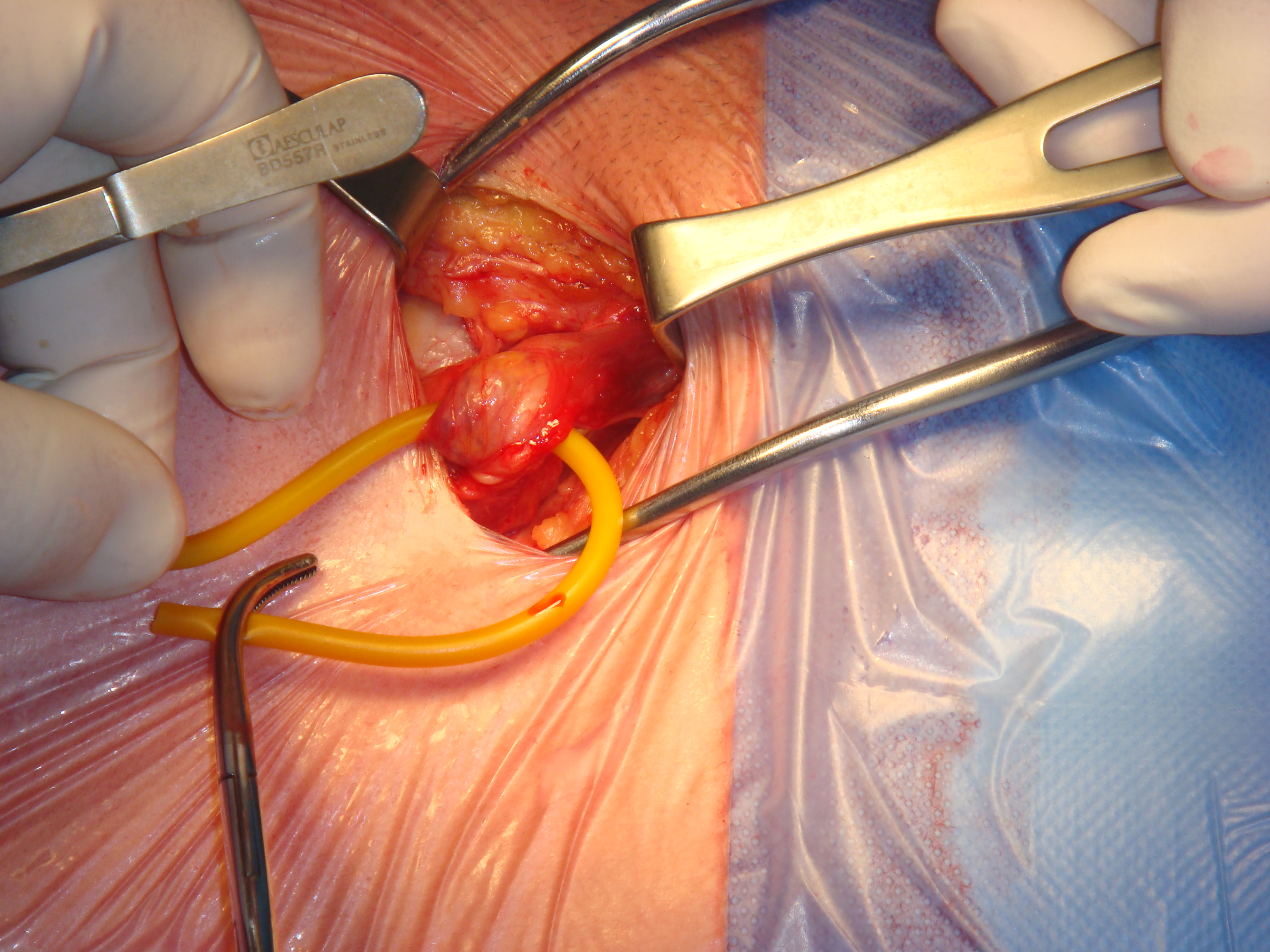
A hernia can develop when an organ or tissue pushes through a weak spot in the surrounding muscle. While some hernias may not cause immediate pain, they rarely go away on their own. In many cases, surgery is the only long-term solution.
Knowing when it is time to see a doctor is important for protecting your health. Early diagnosis and hernia repair surgery can prevent complications and make recovery easier. Understanding the signs and knowing what to expect can help patients make informed decisions about hernia repair surgery.
Identifying the Symptoms of a Hernia
The most common sign of a hernia is a noticeable bulge under the skin. This may appear in the abdomen, groin, or near a past surgical scar. The bulge often becomes more visible when standing, coughing, or lifting heavy objects. Some people experience mild discomfort, while others feel sharp pain. A heavy or dragging sensation in the abdomen may also be a warning sign. In some cases, hernias can cause nausea or pressure after meals. Any visible bulge or persistent discomfort should be evaluated by a doctor. Early attention helps confirm whether surgery is needed.
When Signs Evolve Into Something Serious
Not every hernia requires immediate surgery, but worsening symptoms are a red flag. Pain that increases with activity, difficulty moving comfortably, or frequent bloating should not be ignored. A hernia that becomes hard, tender, or cannot be pushed back inside is considered urgent. This may indicate that part of the intestine is trapped, a condition called incarceration. If blood flow is cut off, it becomes strangulated, which is a medical emergency. Symptoms such as severe abdominal pain, fever, nausea, or vomiting require immediate medical care. At this stage, delaying surgery can be life-threatening.
Advantages of Visiting a Doctor Early
Many patients put off visiting a doctor until their symptoms interfere with daily life. However, consulting a physician early offers several advantages. Doctors can confirm the diagnosis through a physical exam or imaging tests. They can also recommend whether watchful waiting or surgery is the best course. Early evaluation allows patients to plan surgery before complications arise. Elective surgery is usually safer and has a smoother recovery than emergency procedures. Discussing options early also gives patients a moment to train physically and mentally. Seeing a doctor promptly ensures the condition is managed before it becomes dangerous.
Kinds of Repair Surgery
When surgery is necessary, doctors typically recommend one of two approaches. Open hernia repair involves a larger incision to push the tissue back into place and reinforce the muscle with stitches or mesh. Laparoscopic repair uses several small incisions and specialized tools for a less invasive procedure. Both methods are effective, and the choice depends on the hernia type, size, and the patient’s health. Laparoscopic surgery often allows for quicker recovery and less scarring, while open repair may be better for larger or complex hernias. Discussing these options with a doctor helps determine the most suitable approach.
Healing and Long-Term Perspective
After hernia repair surgery, most patients can return to light activities within a week or two. Heavy lifting and strenuous exercise are usually restricted for several weeks to allow proper healing. Pain and swelling are normal in the first few days but typically improve with rest and medication. Following the doctor’s instructions is essential to avoid complications. Long-term, hernia repair surgery is highly effective. Most patients do not experience a recurrence when the procedure is performed correctly. Early treatment not only resolves discomfort but also restores quality of life. With proper care, recovery is smooth and successful.
A hernia may start as a small inconvenience, but it should never be ignored. Visible bulges, ongoing discomfort, or worsening symptoms are clear signs that it is time to see a doctor. Early consultation allows for safer and more effective treatment, often preventing serious complications.