



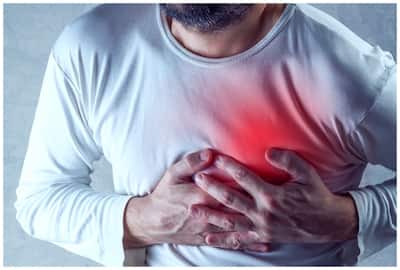
Cold weather and festive indulgences can place extra strain on your heart, sometimes without obvious warning signs. Consulting the best cardiologist in Bangalore on Apollo 24|7, can help detect early cardiac stress and prevent serious complications.
Introduction
As the temperature dips and the festive season fills the air with excitement, your heart quietly works harder than usual. Winter may be cheerful for many, but for your cardiovascular system, it’s a period of added stress. The cold weather constricts blood vessels, increases blood pressure, and forces the heart to pump harder to maintain body warmth. When combined with pollution and rich festive foods, it becomes a perfect storm for heart problems. Consulting a heart specialist in Bangalore helps you identify risks early and protect your heart during the cold season.
Why Do Heart Problems Rise During Winter?
Several studies have shown that heart attack rates increase in the winter months. This happens because cold weather triggers vasoconstriction, the narrowing of blood vessels, which raises blood pressure and forces the heart to use more energy to circulate blood. At the same time, low temperatures increase blood thickness, making it more likely for clots to form.
Another key factor is reduced sunlight exposure, which lowers vitamin D levels. Vitamin D deficiency is linked with increased cholesterol and higher blood pressure, both major risk factors for heart disease. Stress from festive activities, poor sleep, and high-sodium meals further burdens the cardiovascular system.
In Indian cities, post-festival pollution adds another layer of risk. Fine particulate matter (PM2.5) enters the bloodstream and causes inflammation, raising the likelihood of heart attacks and strokes.
Common Winter Heart Conditions
The colder months can worsen or trigger the following heart conditions:
● Angina (Chest Pain): Caused by reduced blood flow to the heart muscle.
● Heart Attack (Myocardial Infarction): Occurs when a blood clot blocks coronary arteries.
● Arrhythmia: Irregular heartbeat triggered by cold stress or stimulants.
● Heart Failure: Worsened by fluid retention and high blood pressure.]
● Stroke: Cold weather can increase clot formation and narrow blood vessels in the brain.
Early Warning Signs You Should Never Ignore
You should visit a cardiologist near me immediately if you experience:
● Chest pain or tightness radiating to arms, jaw, or neck
● Unexplained shortness of breath
● Sudden fatigue, dizziness, or fainting
● Swelling in feet or ankles
● Irregular or rapid heartbeat
Ignoring these warning signs can delay critical treatment and increase the risk of serious complications.
How Does Winter Strain the Heart?
The body naturally prioritises keeping core organs warm. To do this, blood vessels near the skin narrow, making the heart work harder to maintain circulation. This added workload can trigger angina or even heart attacks, especially in people with pre-existing conditions such as diabetes, hypertension, or obesity.
Moreover, breathing in cold, dry air can constrict airways, reducing oxygen supply to the heart. This can cause discomfort or pain, particularly during physical exertion like morning walks or chores.
Lifestyle Habits to Protect Your Heart
Adopting simple lifestyle measures can reduce winter cardiac stress.
1. Dress Warmly: Keep your head, hands, and feet covered to retain warmth.
2. Eat a Heart-Healthy Diet: Focus on whole grains, lean protein, fruits, and vegetables. Limit fried and sugary foods during festivities.
3. Exercise Smartly: Indoor workouts like yoga or stationary cycling maintain fitness without cold exposure.
4. Avoid Overeating: Heavy meals increase heart workload.
5. Stay Hydrated: Dehydration thickens blood and strains the heart.
6. Quit Smoking: Smoking constricts arteries and elevates heart rate.
7. Limit Alcohol and Caffeine: Both increase blood pressure and dehydration.
8. Check Blood Pressure Regularly: Especially important for people over 40.
Role of Cardiologists in Winter Heart Care
A cardiologist near me available via Apollo 24|7, can assess your heart health with diagnostic tools including:
● ECG (Electrocardiogram): Detects irregular heart rhythms.
● Echocardiogram: Evaluates heart structure and pumping ability.
● TMT (Treadmill Test): Measures how your heart responds to physical stress.
● Lipid Profile: Checks cholesterol levels.
● CT Angiography: Provides detailed imaging of the coronary arteries.
These tests help detect silent or early-stage conditions that can be managed before becoming serious. Consulting the best cardiologist in near me ensures you get personalised care based on your test results and risk factors.
How to Manage Existing Heart Conditions During Winter?
If you already have a heart condition, it’s vital to adjust your routine during colder months. Take medications exactly as prescribed and monitor your vitals at home using digital devices. Avoid sudden exposure to cold air; wear layers and cover your mouth when stepping outdoors.
Those with pacemakers or stents should ensure routine follow-ups with the best cardiologist in Bangalore for medication adjustments. Patients with hypertension should avoid high-salt snacks and processed foods common during festivals.
Prognosis and Long-Term Heart Health
With regular check-ups, lifestyle management, and early intervention, most heart-related issues can be managed effectively.
Regular screenings every 6–12 months are recommended for adults over 40 or anyone with a family history of heart disease. Maintaining a healthy weight, managing stress, and adopting a balanced diet rich in fibre and antioxidants play a major role in strengthening cardiovascular health.
Additional Winter Health Tips for the Heart
During the colder months, simple daily habits can make a significant difference in reducing stress on your heart. The following tips help you protect cardiovascular health throughout winter.
● Avoid Early Morning Workouts: The cold air and high pollution can increase strain on your heart.
● Manage Stress: Meditation and deep breathing lower cortisol and blood pressure.
● Get Adequate Sleep: Poor sleep affects metabolism and heart rhythm.
● Add Warm Soups and Herbal Teas: These keep you hydrated and support circulation.
● Monitor Blood Sugar: Diabetic patients are more prone to vascular constriction during winter.
Conclusion
Your heart is your hardest-working organ; it deserves attention, especially during the harsh winter months. Preventive care, smart lifestyle choices, and timely consultation with a heart specialist in Bangalore can go a long way in protecting you from seasonal risks. Don’t dismiss chest pain or breathlessness as “just the cold”, as they could be warning signs of something more serious.
If you experience chest discomfort, unusual fatigue or dizziness this winter, consult the best cardiologist in Bangalore through Apollo 24|7, for a complete cardiac assessment, preventive care, and long-term management.